
Where Do Hummingbirds Go in the Winter? The Secret Winter Lives of Hummingbirds
As the leaves turn and the air chills, a common question arises: where do hummingbirds go in the winter? These tiny dynamos don’t just disappear; they embark on an epic journey to warmer climates. Whether you’re tracking georgia hummingbirds or those from the Midwest, understanding their winter habitats is key to appreciating their resilience.
Table of Contents
Tropical Retreats: Where Do Hummingbirds Migrate To?
Most North American hummingbirds, particularly the Ruby-throated Hummingbird, head south to Mexico and Central America. They seek out tropical forests and gardens where flowers bloom year-round, providing the nectar they need to survive the winter months.
- Mexico and Panama: These are the primary destinations for the majority of eastern and central species.
- The Non-Stop Flight: Some individuals fly 500 miles non-stop across the Gulf of Mexico, a feat that takes about 20 hours.
- Resident Species: In some areas, like coastal California, Anna’s Hummingbirds stay put all winter long.
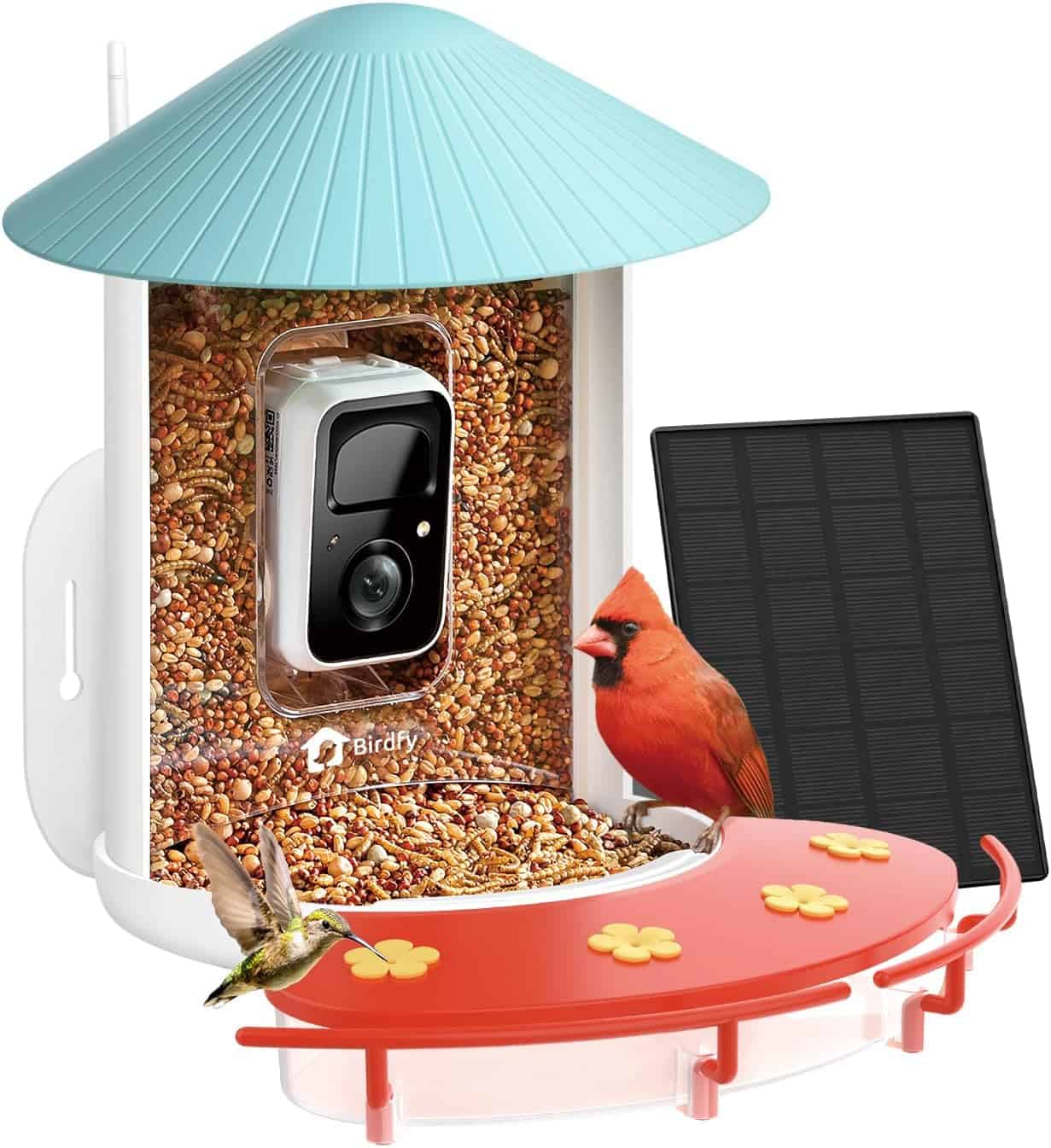
Birdfy Hummee Smart AI Feeder
- Migration Logs: Use the AI to track exactly where do the hummingbirds go by logging the last date they visited your yard.
- Species Recognition: Identify rare winter visitors like the Rufous hummingbird that might wander into Alabama or Georgia.
- HD Observation: See the detailed plumage of birds bulking up for their flight south.
 View on Amazon
Regional Specifics: Where Do They Go?
Depending on where you live, the winter migration map looks a bit different:
- Where do Georgia and Alabama hummingbirds go? They primarily follow the Atlantic or Gulf Coast flyways into Southern Mexico.
- Where do Michigan and Ohio hummingbirds go? These northern travelers have the longest journeys, crossing the entire U.S. to reach Central American tropics.
- California Residents: Unlike their eastern cousins, many California hummingbirds remain in the state, shifting to gardens with winter-blooming plants.
Survival at Night: Torpor and Winter Resilience
Where do hummingbirds go at night in the winter? They don’t fly in the dark. Instead, they find deep cover in evergreen trees or dense shrubs. To survive freezing temperatures, they enter torpor—a state of “mini-hibernation” where their heart rate drops from 1,200 beats per minute to as few as 50.
Lifespan and Predators: The Risks of the Road
Migration is dangerous. While the average life expectancy of a hummingbird is about 3 to 5 years, the oldest recorded Ruby-throated lived to be 9 years old.
What is a hummingbird’s biggest enemy? During migration and in their winter homes, they face many threats:
- Natural Predators: Hawks, snakes, and even large praying mantises.
- Domestic Threats: Outdoor cats are a major predator of hummingbirds near feeders.
- Habitat Loss: De-forestation in their wintering grounds in Mexico and Central America remains a critical threat.
Frequently Asked Questions (FAQ)
Do hummingbirds come back to the same feeders every year?
Yes! They have incredible spatial memory and will often return to the exact same spot where your feeder hung the previous spring.
Do hummingbirds recognize people?
Many bird enthusiasts believe so. Hummingbirds are highly intelligent and can become accustomed to specific humans who regularly refill their food sources.
Where do hummingbird moths go in the winter?
Most hummingbird moths spend the winter as pupae buried in the soil or leaf litter, emerging as adults when the weather warms.
Is it okay to feed them in the dead of winter?
If you have a bird at your feeder in Michigan or Illinois in late November, keep the nectar fresh! It won’t stop them from migrating, but it might provide the fuel they need if they are running late.
Summary
Knowing where do hummingbirds go in the winter months helps us understand the importance of maintaining healthy gardens year-round. From the tropical forests of Panama to the suburban backyards of Texas, these birds link our world together through their incredible migrations.