When to Put Out Hummingbird Feeders: Seasonal Deployment Protocols
For a successful backyard habitat, timing is the most critical variable. Knowing when to put out hummingbird feeders ensures that early-arriving scouts find a reliable energy source after their exhausting migration. This guide provides a standardized schedule for when to put hummingbird feeders out based on regional climate data.
Technical Deployment Schedule
State-by-State: When to Put Out Hummingbird Feeders
To maintain operational efficiency, feeders should be deployed according to the following regional windows:
- Texas, Georgia, and South Carolina: Late February to early March. The southern flyway is the first entry point for migrants.
- Missouri, Virginia, Tennessee, and North Carolina: Late March to early April.
- Ohio, Illinois, Indiana, and Pennsylvania (PA): Mid-to-late April. Scouts typically arrive as the first spring blooms appear.
- Michigan, Wisconsin, Minnesota, and Massachusetts: Late April to early May. Northern states must account for potential late-season frosts.
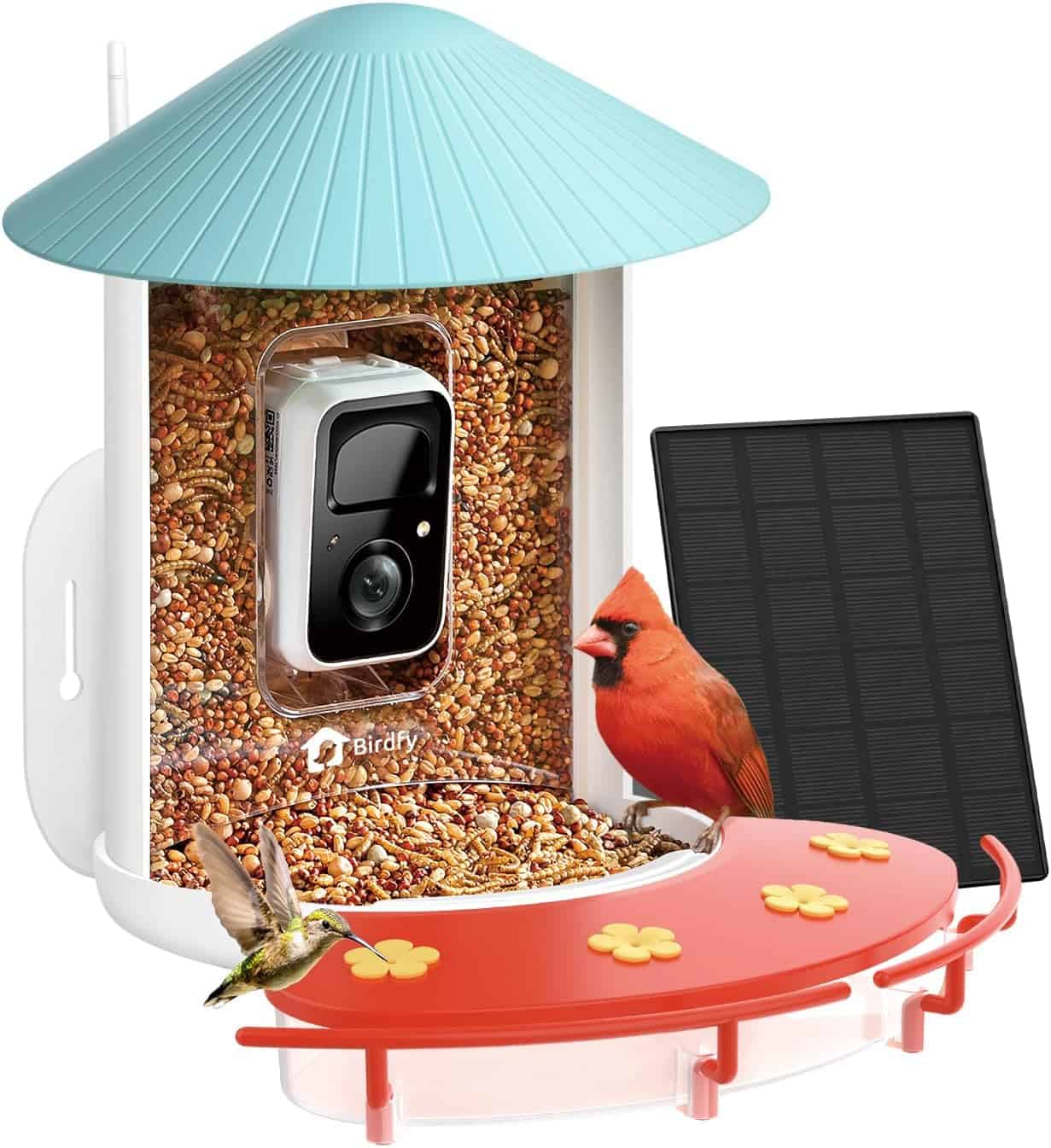
Birdfy Hummee: Precise Arrival Tracking
To accurately determine when can I expect hummingbirds in my area next year, the Birdfy Hummee uses AI to log the exact date and time of the first arrival. This data allows for precise seasonal planning.
View Product on AmazonData Analysis: The Best Month for Your Area
What is the best month to put out hummingbird feeders? For the majority of the contiguous United States, April is the standard operative month. By mid-April, the migration is in full swing across the central latitudes. If you live in New England or the Pacific Northwest, early May is the safe threshold to avoid freezing nectar.
The 5-7-9 Rule and Placement Safety
What is the 5 7 9 rule for bird feeders? This protocol is designed for pest and predator management:
- 5 Feet: Minimum height above the ground to deter domestic cats.
- 7 Feet: Distance from horizontal structures (decks/fences) to prevent squirrels from jumping onto the feeder.
- 9 Feet: Minimum distance from overhanging foliage to prevent ambush by predators.
Where should you not hang a hummingbird feeder? Avoid hanging feeders in direct all-day sun (which causes rapid fermentation) or in high-traffic areas where birds may feel threatened. Most importantly, keep them away from window glass unless they are mounted directly on the pane.
When Can I Expect Hummingbirds in My Area?
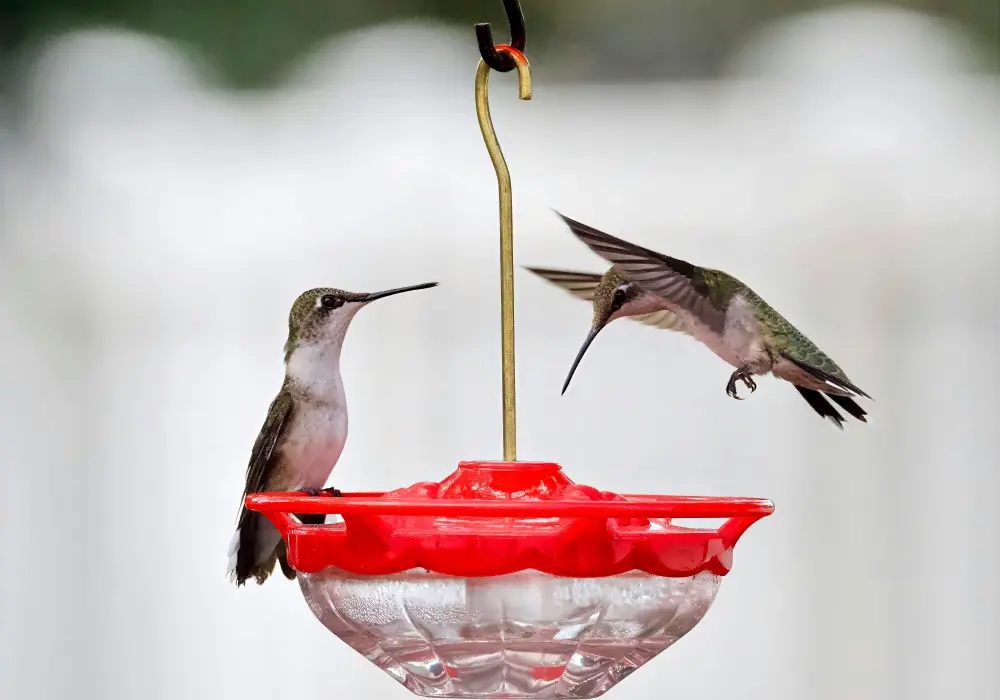
Arrival is weather-dependent. You can expect hummingbirds in Missouri or Ohio when the average daily temperature consistently stays above 40°F and native nectar-producing plants begin to bud. Historically, the “scouts” (usually adult males) arrive 7-10 days before the females.
FAQs About When to Put Out Hummingbird Feeders
When to stop putting out hummingbird feeders?
Do not remove feeders until you have seen no activity for two full weeks in the fall (usually late October). This provides a safety net for late-season migrants.
Why put aluminum foil around a hummingbird feeder?
Some users use aluminum foil to reflect heat and keep nectar cool, or to deter bees with the metallic flash. However, integrated bee guards are a more reliable technical solution.
Is it okay to put them out early?
Yes. There is no biological downside to putting a feeder out two weeks early. It will not “trap” birds in cold weather, as their migration is driven by daylight (photoperiod), not food supply.
Summary
The objective is clear: deploy your hummingbird feeders by early April in most regions, or late February in the South. Adhering to the 5-7-9 rule and monitoring local arrival dates will ensure your backyard system operates at peak efficiency.