How Long Do Baby Birds Stay in the Nest? Understanding the Fledging Period
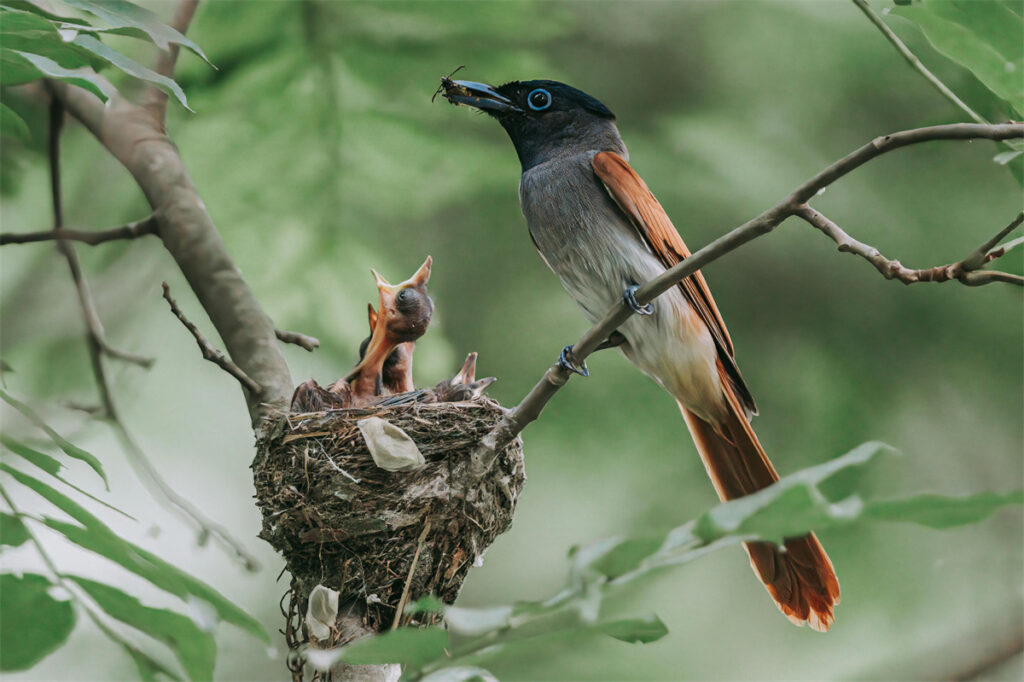
In the field of ornithology, the duration a chick remains in its birth site is known as the nestling period. To answer how long do baby birds stay in the nest, one must account for species-specific growth rates. On average, most songbirds require 12 to 21 days before they are physically capable of fledging. This guide provides the necessary data to identify developmental milestones and manage nesting sites effectively.
Technical Nesting Data
Growth Timelines: By Species
The variable of time is highly dependent on the bird’s size and environmental safety. How long do baby birds stay in the nest typically falls into these standardized categories:
- Hummingbirds: 18–22 days. They require more time to develop the flight muscles needed for their high-frequency wing beats [00:03:15].
- Bluebirds and Robins: 14–19 days. These common backyard birds grow rapidly on an insect-heavy diet.
- Pigeons and Doves: 25–30 days. These species spend significantly more time in the nest compared to smaller passerines.
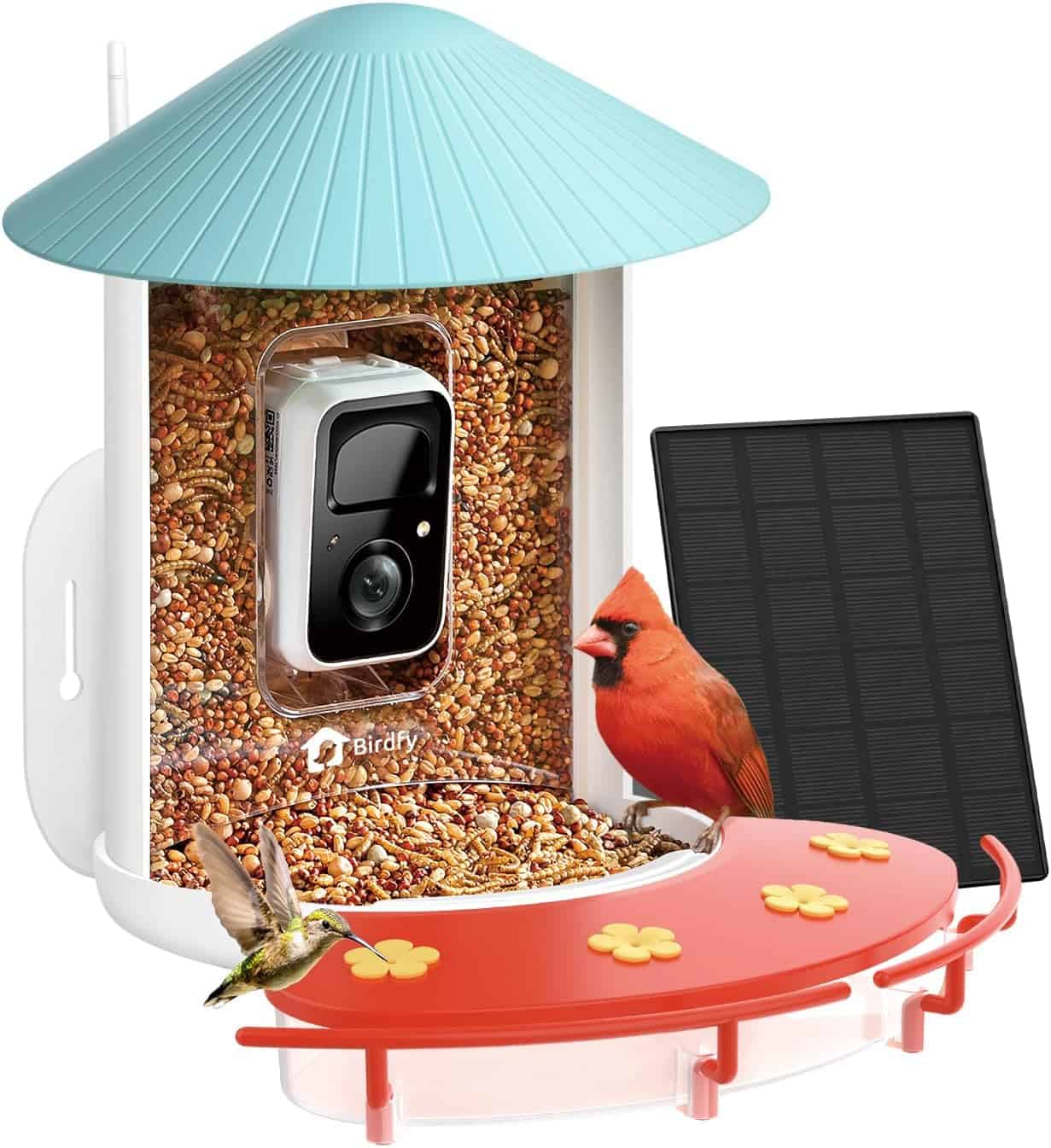
Birdfy Hummee: Tracking Fledgling Progress
To determine precisely how long does it take for baby birds to fly from their nest in your environment, the Birdfy Hummee uses AI to capture the first exploratory flights. Monitoring these metrics allows you to ensure the safety of the fledglings during their most vulnerable stage.
View Product on AmazonHow Long Does It Take for Baby Birds to Fly?
There is a functional difference between leaving the nest and sustained flight. How long does it take for baby birds to fly from their nest successfully? Most songbirds leave the nest (fledge) before they can fly long distances. They spend an additional 2 to 5 days on the ground or in low bushes, hopping and strengthening their wings while parents continue to provide nutrition [00:05:40].
Protocol: Nests on Porches and Human Structures
What to do if a bird builds a nest on your porch?
- Identify Status: If the nest is empty or under construction, you may humanely remove it to encourage them to move to a more secluded area.
- Observe Legal Constraints: If eggs or chicks are present, most species are protected under the Migratory Bird Treaty Act. You must leave the nest undisturbed until the baby birds stay in the nest for their full duration and depart.
- Minimize Traffic: Limit your use of that specific entrance to reduce stress on the parent birds.
Parental Habits: Sleeping and Human Interaction
Do birds sleep in the nest with their babies? In the early stages (brooding), the mother will stay in the nest at night to provide warmth. However, as the chicks grow and develop feathers (approx. 7–10 days), they can regulate their own temperature, and the parents often sleep in nearby trees to avoid attracting predators to the nest site [00:08:12].
FAQs About Baby Birds
Will a mother bird come back if you touch her nest?
Yes. The belief that birds abandon their young due to human scent is a biological myth. Birds have a limited sense of smell. However, you should still avoid touching the nest to prevent physical damage or introducing bacteria.
I found a baby bird on the ground; what should I do?
If it has feathers (a fledgling), leave it alone; the parents are likely nearby. If it is featherless or has only down (a nestling), try to locate the nest and place it back. If the nest is unreachable, a small makeshift basket hung in the tree can serve as a substitute.
Why do baby birds leave the nest if they can’t fly yet?
This is an evolutionary strategy to reduce the risk of a predator destroying the entire brood at once. By spreading out, individual survival probability increases.
Summary
The objective duration of how long do baby birds stay in the nest is approximately 2 to 3 weeks for most common species. Maintaining distance and respecting the nesting cycle ensures the highest success rate for the next generation of avian visitors.