Dark-eyed Junco Diet: What Do These Charming Winter Birds Eat?
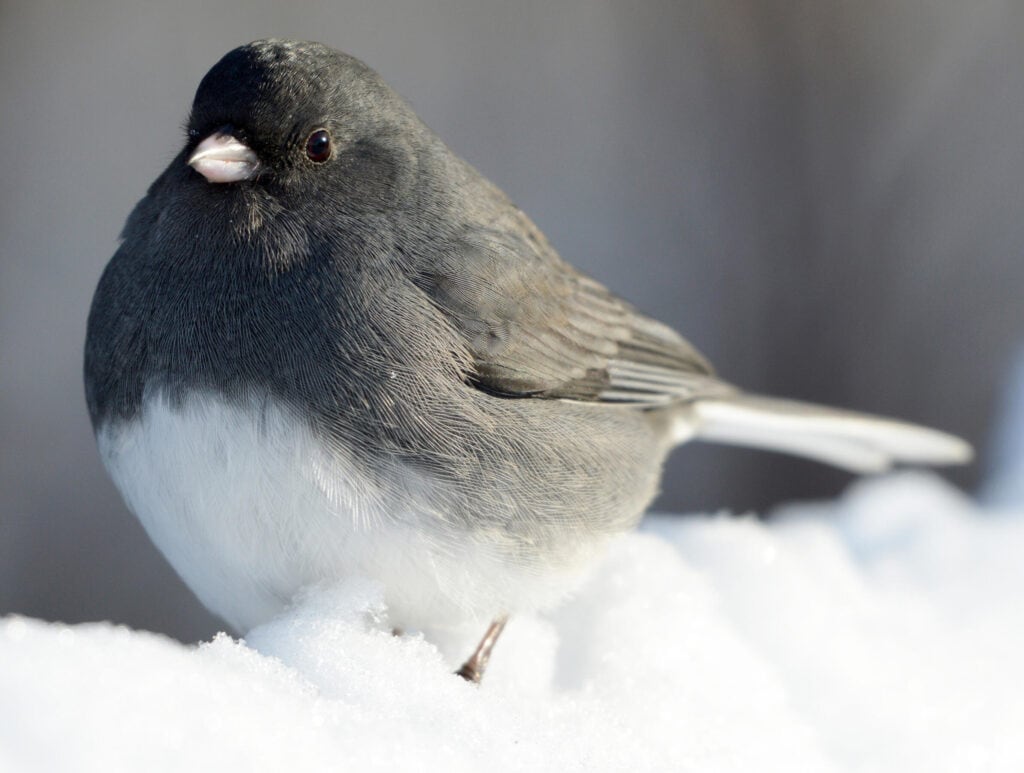
The dark-eyed junco diet is a fascinating topic for backyard birders, especially as these “snowbirds” arrive to brighten up the winter landscape. These small sparrows are primarily ground-feeders, hopping around with distinctive white tail feathers flashing. Understanding what a junco bird diet consists of is the key to keeping them healthy and happy during the lean months. Whether you are looking at the junco diet in the wild or trying to supplement it at your station, providing the right energy source is vital for their survival in freezing temperatures.
Table of Contents
- Junco Diet Breakdown: Seeds, Insects, and More
- The Favorite Foods for Dark-eyed Juncos
- Feeding Habits: Will Juncos Eat from a Hanging Feeder?
- Seasonal Shifts: Summer vs. Winter Junco Diet
- Frequently Asked Questions (FAQ)
Junco Diet Breakdown: Seeds, Insects, and More
In the wild, the dark-eyed junco diet is highly varied. They are opportunistic foragers that spend about 65% of their year eating seeds. However, their needs change based on the weather and life cycle.
| Food Category | Specific Examples | Percentage of Diet |
|---|---|---|
| Seeds | Chickweed, buckwheat, lamb’s quarters, and grasses. | ~75% (Year-round average) |
| Insects | Beetles, moths, caterpillars, ants, and wasps. | ~25% (Mostly in Summer) |
| Berries | Elderberry, raspberry, and cedar berries. | Occasional snack |
The Favorite Foods for Dark-eyed Juncos
To attract these birds to your yard, you need to offer junco bird diet staples that match their natural preferences. Here is what they love most at the feeder:
- White Proso Millet: Their absolute favorite! These tiny, starchy seeds are perfect for their small beaks.
- Shelled Sunflower Seeds: Provides high fat and energy without the struggle of the shell.
- Cracked Corn: A great carbohydrate source for cold winter nights.
- Suet Nuggets: Easy-to-digest fat pellets that help maintain body heat.

Birdfy Smart Bird Feeder Cam
- Pro Ground View: Capture clear 1080P footage of Juncos hopping and feeding on the tray.
- AI Identification: Instantly recognize the “Slate-colored” or “Oregon” Junco varieties.
- Large Tray Design: Perfectly accommodates the ground-feeding style of Juncos.
 Check Price on Amazon
Feeding Habits: Will Juncos Eat from a Hanging Feeder?
While many birds prefer to cling to perches, the dark-eyed junco diet is usually consumed on the ground. Juncos will occasionally use hanging feeders, but only if they have a wide tray or perch. To make them feel at home:
- Use Platform Feeders: A low-to-the-ground tray feeder is the most successful method.
- Scatter Seed: Throwing a handful of millet directly on the ground (under bushes) is highly effective.
- Keep it Clean: Since they eat off the ground, ensure the area is free of old, moldy seed.
Seasonal Shifts: Summer vs. Winter Junco Diet
During the winter, the junco diet is almost 100% seeds as they need the calorie density to survive. In the summer, while they are in their breeding grounds (often high-altitude coniferous forests), they shift heavily toward insects. This protein-rich diet is essential for the growth of their chicks.
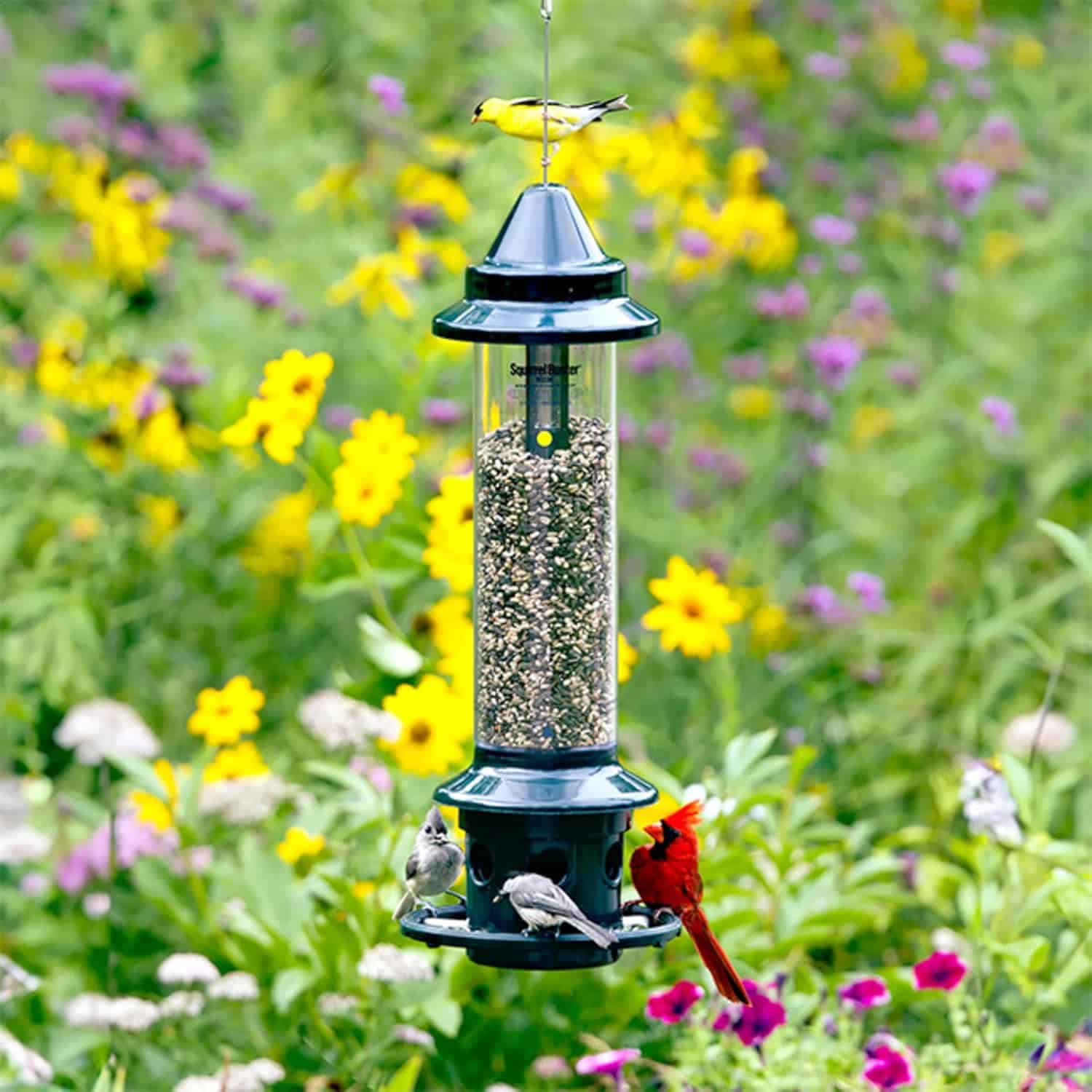
Brome Squirrel Buster Plus
- Weight Activated: Keeps squirrels and large aggressive birds away from the Junco’s seeds.
- Seed Ventilation: Keeps millet fresh and dry, even in snowy winter conditions.
- Large Capacity: Perfect for feeding a large winter flock of “snowbirds.”
Check Price on Amazon
Frequently Asked Questions (FAQ)
Will juncos eat from a hanging feeder?
Yes, but they prefer feeders with a large tray or platform. They are naturally ground-feeders, so they are much more comfortable hopping on a flat surface than clinging to a tube perch.
Where do juncos sleep at night?
Juncos usually sleep in dense evergreen trees or thickets. They huddle together deep within the branches to stay protected from the wind and predators during cold winter nights.
How rare is a dark-eyed junco?
They are actually one of the most common birds in North America! Experts estimate their population is around 630 million. You are very likely to see them if you live in a temperate climate during winter.
What does it mean when a junco visits you?
Spiritually, a junco visit is seen as a sign of simplicity, joy, and resilience. Their ability to thrive in the snow reminds us to stay grounded and find happiness even in the “winters” of our lives.
Summary: Keep the Millet Coming!
The dark-eyed junco diet is simple but demanding during the cold months. By providing high-quality white proso millet and sunflower hearts on a platform feeder or scattered on the ground, you can turn your yard into a bustling winter sanctuary. Enjoy the presence of these energetic little birds—they are the perfect cure for the winter blues!